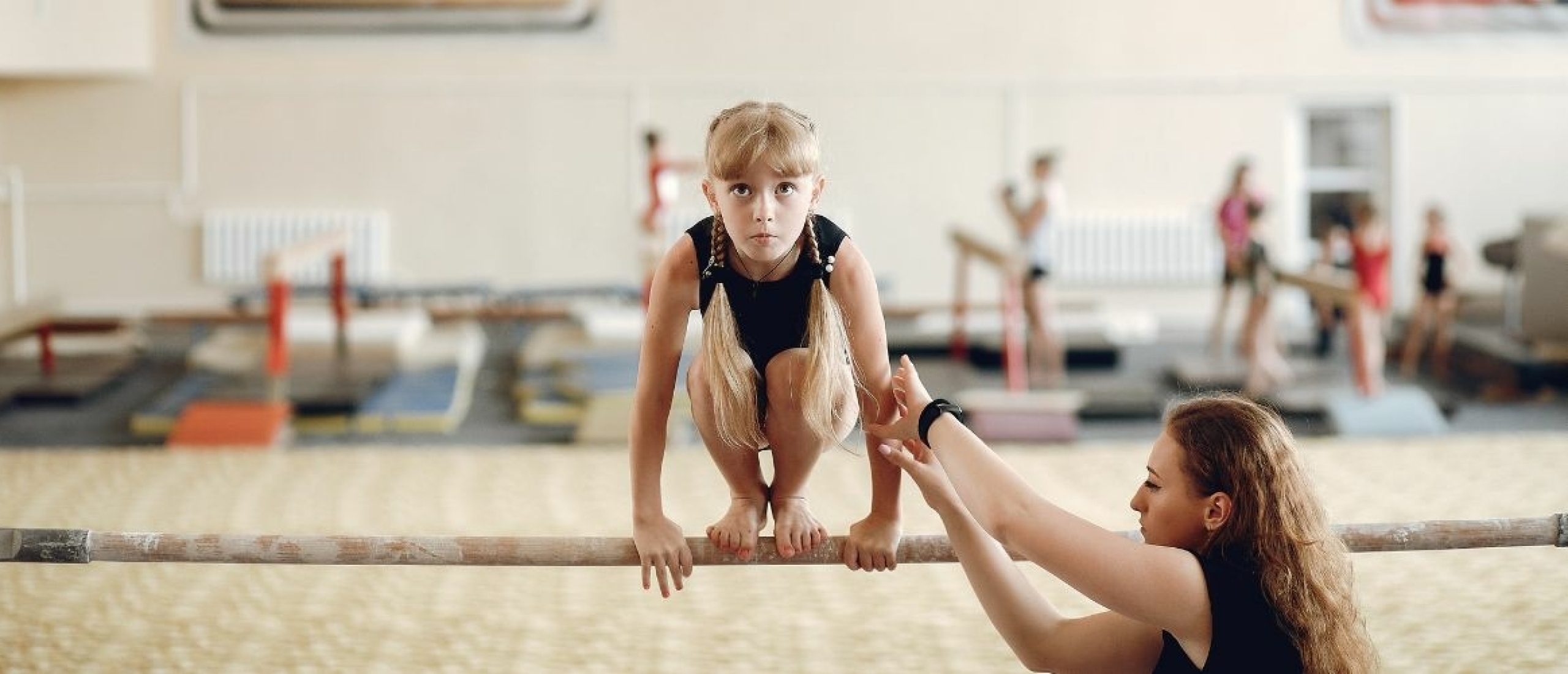

Looking for new gymnastics drills for your lessons?
Every gymnastics coach knows the feeling.
You’re standing in the gym, your lesson is about to start, and you’re thinking: what am I going to do today that actually helps my athletes improve? Not just keeping them busy — but really helping them get better.
Coming up with new exercises every week takes time. Explaining skills clearly takes energy. And building a structured lesson that works for different levels? That’s where it gets challenging.
That’s exactly why having the right drills, and especially the right progressions, makes such a big difference.
In this article, you’ll discover 10 essential gymnastics drills you can immediately use in your lessons, supported by videos that show exactly how to teach them.
👉 Start your free trial and access 3000+ ready-to-use coaching videos
Why a strong drill foundation changes everything
The difference between an average lesson and a great one often comes down to structure. When athletes repeat random exercises, progress is slow and inconsistent. But when you use the right drills in the right order, something shifts. Movements become cleaner, athletes gain confidence, and your coaching becomes more efficient.
Instead of constantly thinking about what to do next, you can focus on how to coach better.
That’s where these drills come in.
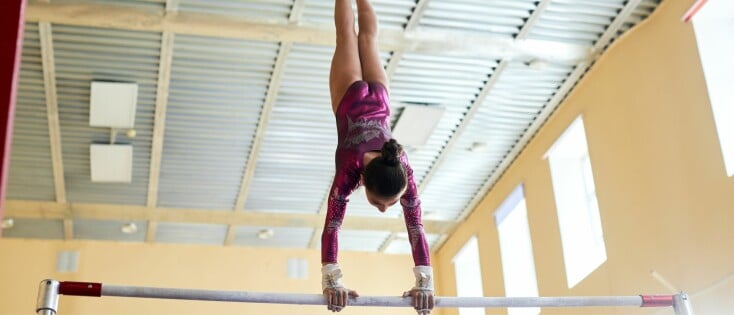
1. Handstand alignment drill
The handstand is at the core of gymnastics. Almost every advanced movement builds on it, which makes it one of the most important things to get right early on.
In your lesson, this drill works best when you slow everything down. Let athletes feel what a straight line actually means. Working against a wall helps them understand alignment, while short, controlled attempts build strength and awareness.
🎥 Use the handstand alignment video to show exactly what good form looks like
If you’ve ever noticed athletes “banana-ing” or losing tension, this is the drill that fixes it.
2. Cartwheel line drill
A cartwheel might look simple, but it reveals a lot about coordination and control. By introducing a line on the floor, you immediately give athletes a visual guide. Suddenly, hand placement improves, legs stay more controlled, and the movement becomes more consistent.
Instead of correcting everything verbally, the drill does part of the coaching for you.
🎥 Show the cartwheel technique video's before they start practicing
3. Front tuck drill
Before athletes can perform a front tuck, they need to understand how to generate power and control their body in the air.
This drill isolates those elements. First, focus on the jump. Then, once that becomes explosive enough, you introduce the tuck. Step by step, the movement starts to come together.
It’s also one of those drills athletes actually enjoy, because they feel progress quickly.
🎥 Use the methodical exercises to demonstrate timing and body position
4. Back walkover drill
Flexibility and control come together in the back walkover, and this drill builds both at the same time.
Starting from a bridge, athletes learn how to shift weight, kick over, and move with control rather than force. Especially for beginners, this step is essential before attempting the full skill. As a coach, this is where you can really guide movement quality.
🎥 Use the video exercises to show the correct pacing and positioning
5. Split progression routine
Flexibility is often the difference between struggling and progressing. When athletes follow a consistent split routine, you start to see real changes. Not just in flexibility, but in how easily they perform other skills.
Instead of treating stretching as an afterthought, integrating a structured routine into your lessons gives athletes a clear path forward.
🎥 Use guided split videos so athletes know exactly what to do
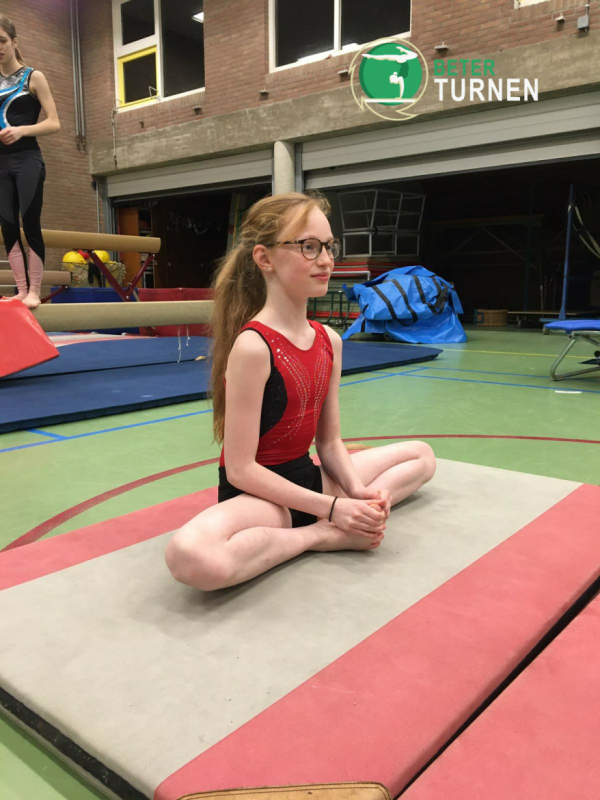
6. Straddle mobility drill
The straddle position plays a role in many movements, from jumps to advanced skills.
What makes this drill effective is the focus on control. Not just how far athletes can stretch, but how well they can hold and move within that position.
🎥 Use the video to guide posture and positioning
7. Roundoff snap-down drill
The roundoff is often the gateway to more advanced tumbling, but it only works if the snap-down is sharp and controlled.
By isolating that final phase, athletes learn how to generate speed and power without overcomplicating the movement.
It’s one of those small adjustments that makes a big difference later.
🎥 Show the snap-down drill before combining the full movement
8. Back handspring jump-back drill
One of the biggest challenges with the back handspring is commitment.
Athletes hesitate, not because they lack strength, but because they’re unsure of the movement. This drill builds confidence by focusing only on the take-off.
Once they trust that first phase, everything else becomes easier to teach.
🎥 Use the drill video to demonstrate correct timing and body position
9. Pullover strength drill
Bar work often exposes strength limitations, especially in younger athletes.
This drill helps bridge that gap by combining strength and technique. Over time, athletes start to rely less on momentum and more on control.
🎥 Use the video to show proper execution and support options
10. Front handspring block drill
The front handspring depends heavily on the block — that quick, powerful push through the shoulders.
By isolating this part of the movement, athletes begin to understand where their power should come from.
Once that clicks, the full skill becomes much easier to develop.
🎥 Use the progression video to demonstrate the block phase clearly
Want to spend less time planning and more time coaching?
Most coaches don’t struggle with knowledge — they struggle with time.
Searching for the right drills, figuring out progressions, and preparing lessons week after week adds up quickly.
When you have access to a structured library of exercises and videos, that pressure disappears. You don’t have to reinvent your lessons — you can refine them.
👉 Start your free trial and access 3000+ ready-to-use coaching videos
How great coaches make the difference
The best coaches aren’t necessarily the ones who know the most.
They’re the ones who:
- use clear progressions
- repeat the right fundamentals
- explain skills visually and simply
And most importantly, they make their lessons consistent. Because in gymnastics, consistency is what creates real progress.
Start improving your lessons today
You now have 10 drills you can immediately apply in your training. The next step is simple: use them consistently, build structure around them, and make your coaching easier and more effective.
👉 Start your free trial and upgrade your lessons today
FAQs
How can I make my gymnastics lessons more effective?
By using structured drills, clear progressions, and visual examples like videos.
How many drills should I use in one lesson?
Focus on a few well-chosen drills and repeat them with purpose.
How do I help athletes progress faster?
Consistency, correct technique, and structured training are key.