

Gymnastics is one of the most physically demanding sports for young athletes. Gymnasts often train many hours per week while performing complex skills that require strength, coordination, flexibility and balance.
Because of these demands, the body must constantly adapt to training loads. During childhood this process usually happens smoothly. However, when puberty and growth spurts begin, the body can change rapidly.
These changes can temporarily influence performance, coordination and even injury risk.
Understanding physical growth in gymnastics helps coaches, parents and athletes support young gymnasts more effectively during these important developmental years.
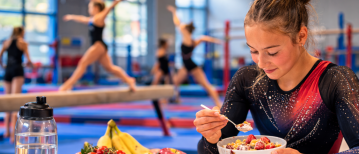
Physical development is only one part of athlete development. Mental development and proper nutrition also play an important role in how young gymnasts adapt to training.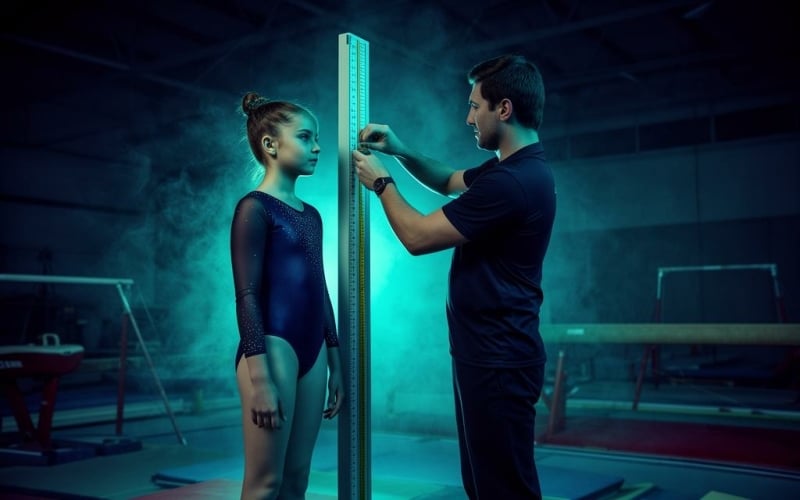
Growth vs maturation in young gymnasts
When discussing physical development in youth sports, two key concepts are often used: growth and maturation.
Growth
Growth refers to the increase in body size, such as height, limb length and overall body mass. This process begins before birth and continues throughout childhood and adolescence.
Maturation
Maturation refers to the biological development of the body during puberty.
This includes:
- hormonal changes
- development of organs
- changes in body composition
- maturation of the nervous system
Hormones such as growth hormone, thyroid hormone and sex hormones influence how bones, muscles and tissues develop.
Because every athlete matures at a different pace, young gymnasts can experience puberty at very different ages.
What is peak height velocity (PHV)?
One of the most important concepts in youth sports science is peak height velocity (PHV).
PHV refers to the moment during puberty when growth in height is at its fastest.
Typical timing:
- girls: around 11–12 years
- boys: around 13–14 years
However, the timing can vary significantly between individuals.
An important characteristic of the growth spurt is that the body does not grow evenly.
Usually growth happens in the following order:
- hands and feet grow first
- arms and legs grow next
- the torso grows later
These changes in body proportions can temporarily affect coordination and movement control.
Why coordination can suddenly change in gymnastics
Gymnastics requires extremely precise motor control and body awareness.
Skills on beam, bars, vault and floor depend on accurate timing, balance and spatial awareness.
During a growth spurt, the brain must adapt to a new body structure.
This can temporarily lead to:
- loss of timing during skills
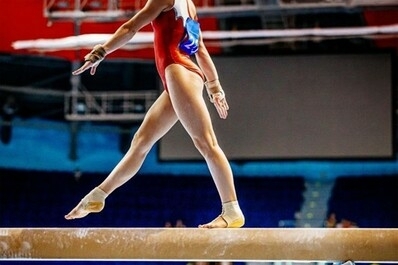
- reduced balance on the beam
- difficulty controlling tumbling elements
- inconsistency in previously stable skills
This phase is sometimes called adolescent awkwardness.
Importantly, this does not mean the gymnast is regressing. The nervous system simply needs time to adapt to longer limbs and changing body proportions.
How puberty influences strength and endurance
Physical capacities such as strength and endurance also change during puberty.
H3: Strength development
Before puberty, strength usually increases gradually as children grow.
During puberty, hormonal changes influence muscle development. Some research suggests that strength development may peak around the time of PHV, although individual differences exist.
Endurance changes
Endurance development during growth is often non-linear.
Research shows endurance may:
- gradually improve during childhood
- temporarily decrease during the growth spurt
- increase again afterwards
These temporary fluctuations are often related to rapid increases in body size and body mass.
Flexibility and balance during growth
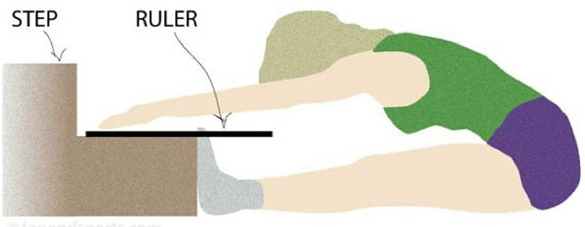
Flexibility is essential in gymnastics for skills such as splits, leaps and backbends.
Some research suggests flexibility remains relatively stable during childhood and may even improve during adolescence. However, other studies indicate flexibility may temporarily decrease during the growth spurt.
This can happen because bones grow faster than muscles and tendons can adapt.
Balance may also change during puberty because the centre of mass shifts when body proportions change.
For gymnasts, this is often noticeable during:
- balance beam routines
- landing control
- turning elements
Why growth spurts can increase injury risk
Rapid growth periods can influence injury risk in young athletes.
During the growth spurt:
- bones grow quickly
- muscles and tendons may lag behind
- coordination may temporarily decline
This combination can increase the likelihood of overuse injuries or acute injuries.
However, injuries are rarely caused by one single factor. Research shows that injury risk also depends on:
- training load
- recovery time
- physical conditioning
- movement mechanics
- stage of biological development
Growth itself does not directly cause injuries, but it can create a period where the body is more vulnerable.
How coaches and parents can support gymnasts during growth
Understanding growth and maturation helps coaches create a healthier training environment.
During growth phases it can be helpful to:
- monitor training load carefully
- be patient with temporary performance changes
- focus on technique and body awareness
- allow time for coordination to adapt
- encourage sufficient recovery
Gymnasts who receive proper support during growth often return stronger once their bodies adapt to their new proportions.
Why understanding growth matters in gymnastics
Growth and puberty are natural parts of athletic development.
However, in sports like gymnastics where precision and control are essential, these changes can temporarily influence performance.
A gymnast who suddenly struggles with coordination, strength or balance may simply be experiencing normal physical development.
Recognising these changes allows coaches to respond with patience, smarter training strategies and better injury prevention approaches.
Growth is an important part of athlete development, but it does not stand alone. Mental skills and proper nutrition also influence how gymnasts train, recover and develop over time.
Learn more about physical growth in gymnastics
This article only introduces the basics of how growth and puberty influence young gymnasts.
If you want to learn more about topics such as:
- peak height velocity in gymnastics
- monitoring growth in young athletes
- training adjustments during puberty
- injury prevention during growth
- practical coaching strategies
...you can explore the physical growth in gymnastics masterclass on Gymnastics Tools.
The masterclass explains the science behind growth and development and translates it into practical insights that coaches can immediately apply in training.
Frequently asked questions about growth in gymnastics
At what age do gymnasts experience growth spurts?
Most female gymnasts experience their growth spurt around 11–12 years old, while boys usually experience it around 13–14 years old, although the timing can vary widely.
Can growth spurts affect gymnastics performance?
Yes. Growth spurts can temporarily influence coordination, strength and balance while the body adapts to new proportions.
Does puberty increase injury risk in gymnastics?
Periods of rapid growth may increase injury risk because bones grow quickly while muscles and tendons adapt more slowly.
Should gymnastics training change during puberty?
Training does not necessarily need to stop, but monitoring training load and focusing on technique can help athletes adapt safely during growth phases.